
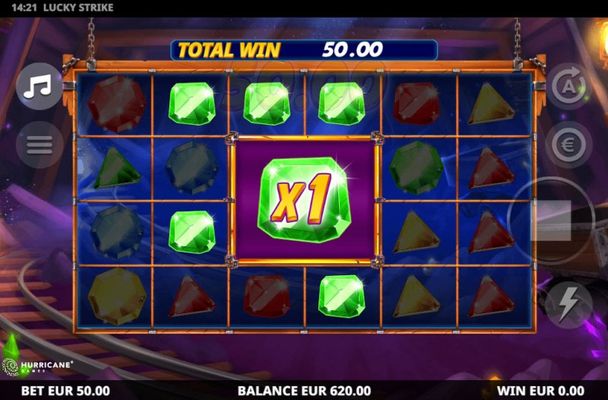
Online slots usually make headlines for unexpected, life-changing jackpots. But a different kind of success story has been unfolding in the UK, one that appeals to players who operate in terms of charts and statistics. A British player, focused on the coin strike slot roulette, has accomplished something many consider is impossible: producing steady, reliable returns over a very long period. This wasn’t about a single lucky spin. It was the outcome of a disciplined method that handled the slot’s unique “Hold and Win” feature as a puzzle to be solved. By emphasizing bankroll management and the mechanics of the bonus round, this player established a profit pattern that seemed more like a gradual incline than the usual heart-stopping peaks and valleys of slot play. For a UK market populated by informed players, this story is a fascinating lesson. It illustrates that with patience and a calculated approach, the wild variance of a game like Coin Strike can be moderated into something more predictable.
Breaking down the Coin Strike Slot Functionality
How can a slot machine offer consistent returns? The answer lies in picking apart how Coin Strike works. It’s a standard 5-reel, 3-row game from a major provider, but everything revolves around its Coin Strike bonus, a version of the popular Hold and Win feature. The base game is basic. The real strategy begins when you initiate the special round. This happens when six or more coin symbols land anywhere on the screen. Those coins lock in place, and you get three respins. Here’s the key part: every time a new coin lands, the respin counter resets back to three. This can prolong the round dramatically, letting the prize pool build. The coins themselves have cash values or are special symbols like the Collector, which grabs the value of every other coin on the grid. This setup means wins can snowball through the combination of several symbols, not just one massive jackpot hit. For the UK player behind this story, this design was a plan. Figuring out the odds of extending respins and the average value of coin clusters turned a game of luck into something closer to a measured exercise.
A UK Player’s Methodical Approach to Consistent Wins
The player, who keeps anonymous, used a mindset you’d see at a poker table, not a slot machine. Discipline and data were key. Each session started with firm, unbreakable rules for losses and profit targets. Their bankroll was treated like an investment fund, as opposed to spending money. Their tactical play on Coin Strike had a few key points. They bet at a level that allowed for hundreds of spins per session, boosting their chances of hitting the bonus round multiple times. They observed that valuable coins in the bonus tended to land in clusters. If the first trigger included a high-value coin or a Collector symbol, they understood the round had strong potential early on. This let them control their expectations, and sometimes cut their losses quickly if a bonus round looked weak. Their complete style was detached and emotionless. Every spin was just another data point in a vast sample size. This mindset fits a part of the UK gambling audience that prefers analysis over adrenaline, making calls based on information rather than gut feeling.
Core Strategic Foundations for Consistent Coin Strike Play
This sustained success wasn’t the result of one hidden method. It was built on several connected principles that together create a system others can follow. The primary element is knowing the game’s paytable and its volatility completely. Coin Strike has medium-high volatility. Wins might not come often, but they can be sizable when they do. The strategy tolerates the dry spells and manages the money to endure them. The next foundation is the emphasis on the bonus round as the sole genuine source of profit. Base game wins are merely a method to maintain the session until the feature hits. The ultimate element is emotional fortitude. The capacity to cease after a fixed gain, or to withdraw after encountering a loss limit even when you’re sure a bonus is “due,” is what differentiates steady play from erratic losses.
- Strict Bankroll Allocation: They never staked more than 1% of their entire bankroll on a single spin. This enabled they could survive long stretches without initiating the bonus feature.
- Feature-Centric Analysis: The time the Coin Strike bonus commenced, they evaluated the kinds and worth of the fixed coins. This immediate evaluation helped them gauge the round’s profit potential and modify their mindset.
- Session Management System: They used mandatory stop-loss and take-profit points, generally at 50% down or 100% up on the session’s beginning bankroll. This locked in gains and stopped the desire to pursue losses.
Comprehending Volatility and RTP Practically
In the UK, slots on regulated sites clearly show their Return to Player and volatility stats. This case study turns that theory to real-world example. Coin Strike has an RTP around 96.5%, which is standard. But RTP is a theoretical figure over millions of spins. It doesn’t promise you a thing in a single session. Volatility is the practical reality you encounter. The UK player’s strategy was essentially a way to reduce that volatility. By ensuring they could play enough spins to come close to the mathematical average, they gave the RTP a real chance to show itself. Their steady returns show a player successfully handling the slot’s volatility curve. Instead of wild swings between huge wins and long droughts, their method evened out the curve forming a gradual upward trend. This happened because their strict bankroll management allowed for huge volume of play. Each session became a longer, lower-variance investment period instead of a short, high-stakes gamble. It proves that while the RTP is fixed, a player’s experience of it changes entirely based on bet sizing, session length, and which features they choose.
How the Hold and Win Feature Governs Long-Term Profit
The player’s complete profit model was based on the Hold and Win feature. Their individual records revealed over 90% of their total profit originated from these bonus rounds. The base game was mostly just the cost of gaining access. So, maximizing the yield from every triggered feature was their key goal. They identified patterns. Rounds that commenced with a Collector symbol were significantly more valuable. Rounds with a mix of cash coins and special symbols like Multipliers provided the best chance for prolonging respins and multiplying value. They also discovered to spot “dead” rounds early on, those with only low-value coins and no specials. They would psychologically write off the spin cost, preventing the frustration that often results in reckless betting. This systematic take on the bonus round changed it from a simple chance event into a mini-game of asset management. The locked symbols were a portfolio, and each respin was a chance to add to it. This intense level of engagement with a single mechanic is rare. It shows how much strategy you can apply to a slot machine, especially one where you can evaluate and respond to a changing bonus grid.
Typical Mistakes and How the Method Sidesteps Them
The common blunders that sap a slot player’s money were methodically sidestepped by this method. The most frequent mistake, trying to recover losses after a bad streak, was prevented by the strict stop-loss rule. The opposite pitfall, abandoning discipline and returning all your gains after a big hit, was erased by the take-profit boundary. Another common error is hastily boosting your bet amount, either to recoup losses faster or because you believe a “hot sequence.” The predetermined 1% bet size limit, based on the total funds, made this irrelevant. The player also sidestepped “bonus expectation,” the belief that a feature is late, which results in extending play or wagering more. By seeing each spin as separate and recording feature occurrence over thousands of spins, they knew the average frequency. They never expected a bonus to land in any certain gaming session. This systematic avoidance of common cognitive biases, familiar in behavioral finance, was possibly the biggest reason in creating stability. It changed gambling from an emotional journey into a procedural task.
- Gut-Feeling Decisions: They substituted gut instincts with pre-written rules for every session limit, taking out emotion from the moment.
- Misjudging Fluctuations: They comprehended the truth of fluctuation, planning for and preparing for long sequences without a bonus.
- Switching Games: They devoted to becoming expert at only Coin Strike, instead of dividing their bankroll and focus across many various games with different tempos.
Adjusting the Principles to Other Slots and Markets
This case focuses on Coin Strike, but its main concepts can work on other slots, particularly in the data-rich UK iGaming environment. The strategy is most suitable on games in which a distinct bonus round is the main source of payouts, especially other Hold and Win or similar “locking respin” games. The initial step is research. You must comprehend the game’s risk level, the way its feature activates, and the amount the standard bonus round pays. The UK market is excellent for this purpose thanks to the enormous amount of available data from assessments, forums, and transparent provider information. Players can take the core pillars, fractional bet sizing strategies, session restrictions, and feature-focused examination, and utilize them to all game. But the extent of reliability will change. A extremely volatile, jackpot-driven slot will counteract this smoothing effect far more than a moderate-volatility game similar to Coin Strike. The key insight for UK players is regarding a shift in mindset. It’s about shifting from regarding slots as simple, instant enjoyment to seeing them as strategic-oriented products. Informed, controlled play can change the financial outcome over time, and this matches the UK’s overall concentration on safer gambling behaviors.
Questions about Achieving Consistent Slot Returns
This report has raised numerous questions from other slot users. Here are solutions to some of the most typical ones about whether such a stable-returns strategy is achievable in the UK’s regulated casino environment.
Is this strategy a assured way to make money on Coin Strike?
No, it is not a certainty. There is no foolproof way to beat a slot machine in the long run because every game has a built-in house edge. This method is a form of bankroll and risk management. It’s intended to maximize playtime, smooth out fluctuations, and give you the best possible opportunity at seeing the game’s theoretical RTP over a very long period. It lessens the risk of fast losses and emotional missteps, but it doesn’t remove the fundamental chance of each spin. The player’s achievement is one documented instance of the method working well over a huge set of spins. Past performance does not predict future outcomes for anyone else.
How big does my starting bankroll need to be for this to work?
Your bankroll needs to be big enough to handle possibly long downswings without your 1% per-spin bet turning tiny. For realistic play in the UK, where minimum bets can be 10p, a separate bankroll of at least £200 is a sensible starting point. This provides meaningful bets and helps you endure natural variance. The key idea is that this bankroll should be money you can afford to lose completely. Consider it as distinct gambling capital, not a portion of your personal finances. The greater and more substantial your bankroll, the better this strategy can perform against the game’s volatility.
Does this approach remove the enjoyment from playing slots?
That hinges on what you find fun. If your thrill comes from the high-risk, high-reward rush and the dream of a huge jackpot from a tiny stake, this methodical approach will probably feel constraining. But for a expanding number of players, especially in tactical markets like the UK, the fun comes from mastery, extended gameplay, and the intellectual challenge of refining decisions within a game’s rules. The satisfaction comes from “beating the odds” in terms of session survival and steady growth, not just the dopamine hit of a random big win. It reframes fun as consistent engagement and controlled excitement.
- Is it possible to use bonuses or free spins with this strategy? Certainly, but you have to be careful. Welcome bonuses can increase your starting bankroll, but you need to account for wagering requirements. The high volume of spins from this strategy can help satisfy those requirements. Just make sure the game contribution is 100% and the terms allow for low-risk, high-spin-count play.
- What time did it take the player to see steady results? According to their reports, the clear “steady” upward trend only appeared after several months of consistent, nearly daily play. This involved tens of thousands of spins. This is not a get-rich-quick scheme. It’s a long-term methodology.
- Is this approach considered advantage play? No. Advantage play means using a legal loophole or specific skill to gain a mathematical edge over the casino. This is simply optimal money and risk management within the normal rules. It never change the house edge. It just manages how you experience it.

